
Tree Installation
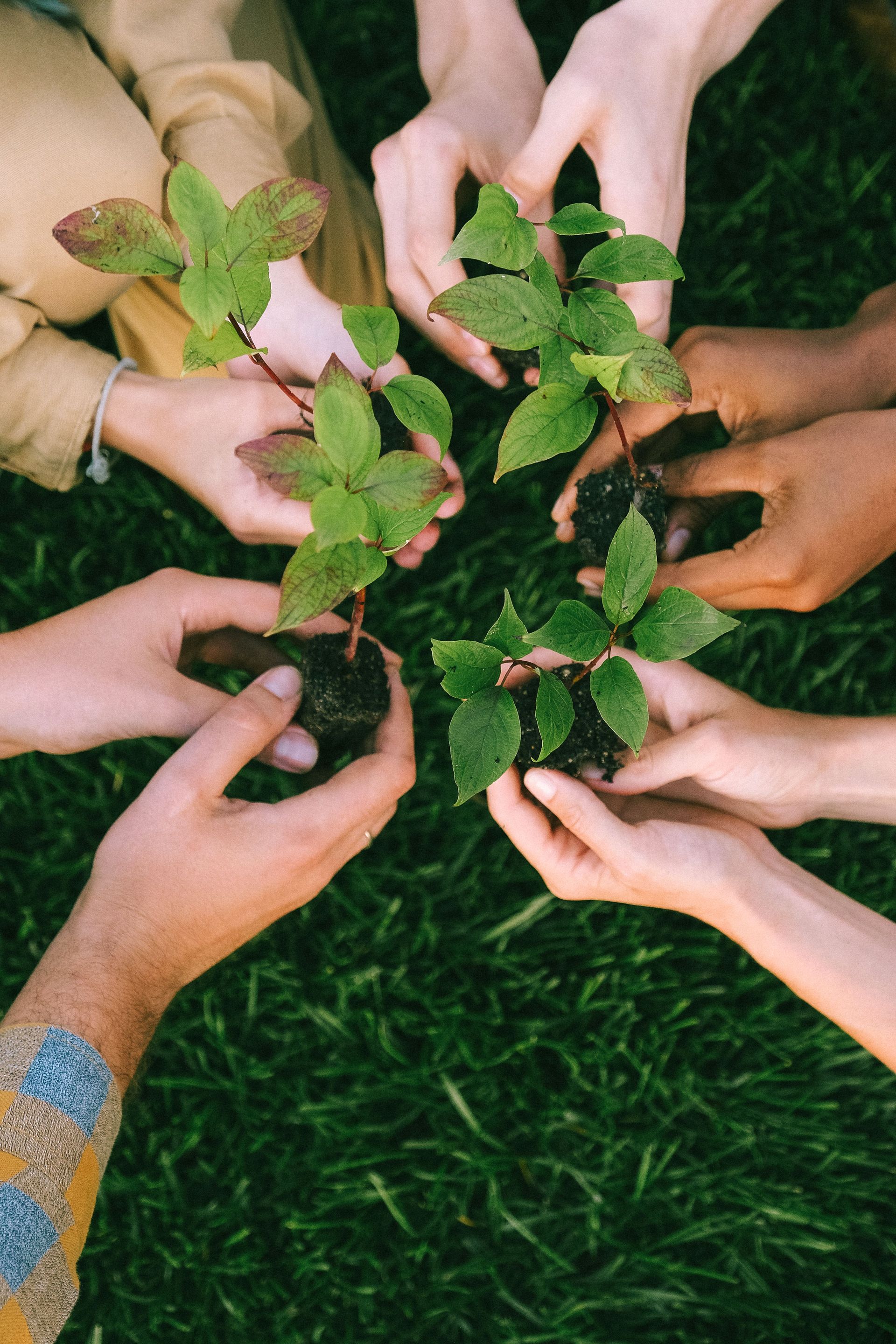
Give Your Tree a Good Start
A healthy tree starts with how and where it's planted.
Planting a tree is more than digging a hole and filling it back in. Where the tree is placed, how deeply it's planted, the condition of the root system, and how the surrounding soil is handled can all affect how well it establishes and develops over time.
Before installation, we consider the tree's mature size and the space it will eventually occupy, including its distance from homes, driveways, sidewalks, utility lines, and other trees. A tree that fits the space today can become a problem years from now if its mature height, canopy spread, or root system weren't considered when it was planted.
Planting depth matters too. The root flare, where the trunk begins to widen into the main roots, should remain visible at or just above the surrounding soil rather than being buried beneath it. Planting too deeply can limit oxygen reaching the roots, encourage roots to grow in ways that can eventually restrict the trunk, and contribute to decline years after the tree was planted.
We also inspect the root ball and address circling or tightly bound roots when necessary before the tree goes into the ground. Once planted, the surrounding soil is settled around the roots, mulch can be applied in a shallow layer while keeping it away from the trunk, and staking is used only when the tree actually needs additional support.
A few decisions made on planting day can influence a tree for decades. Our goal is to give it the space, depth, and foundation it needs to establish itself and grow into the property rather than eventually outgrowing it.
Helping a New Tree Get Established
The work doesn't end when the tree goes into the ground. Newly planted trees need time to establish roots beyond the original root ball, and the care they receive during this period can have a major effect on how well they adapt to their new home.
Watering is especially important during the first few growing seasons. A newly planted tree doesn't yet have an established root system capable of reaching moisture throughout the surrounding soil, so it may need supplemental watering even when an established tree nearby does not. How often depends on rainfall, temperature, drainage, soil conditions, and the size of the tree. The goal is consistent moisture around the developing root system without keeping the soil constantly saturated.
A shallow layer of mulch can help retain moisture, moderate soil temperature, and reduce competition from grass and weeds. Mulch should extend outward around the tree while leaving space around the trunk and root flare. Keeping that area exposed helps prevent excess moisture from remaining against the bark and makes it easier to notice changes at the base of the tree.
Staking isn't automatically necessary either. When a newly planted tree is stable on its own, allowing some natural movement can help the trunk develop strength. When additional support is needed, stakes and ties should stabilize the root ball without holding the trunk completely rigid and should be removed once they're no longer necessary.
The first few years are when a newly planted tree is finding its footing, literally. A little attention during establishment can make the difference between a tree that simply survives and one that's ready to grow for decades.
Common Questions About Tree Installation
What to know about choosing, planting, and caring for a tree during its first few years.
Why should soil and mulch stay away from the trunk?
Tree bark is not meant to stay constantly damp. When soil or mulch is piled against the trunk, it can hold moisture against the bark and create conditions that encourage decay, disease, and pest activity. Keeping the root flare and trunk exposed also helps avoid problems caused by roots growing against or around the trunk.
Do all newly planted trees need to be staked?
No. A tree that is stable on its own usually does not need to be staked. Allowing some natural movement can help the trunk and root system develop strength. Staking may be helpful when the root ball is unstable, the tree is top-heavy, or the site is especially exposed to wind. When staking is used, the ties should allow some movement and be removed once the tree is established enough to support itself.